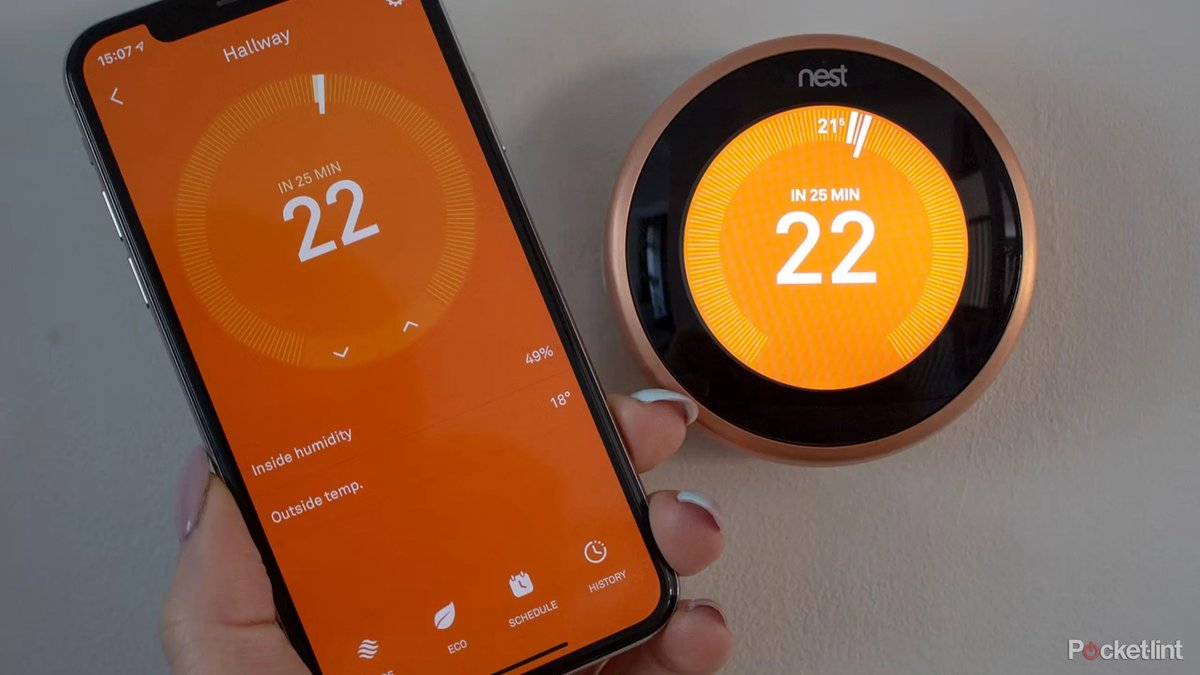
Navigating the world of smart thermostats can feel like deciphering a complex energy bill – full of promise but often confusing. If you're weighing your options for a smarter, more energy-efficient home, you've likely come across the name Nest. But is a Nest thermostat truly the best fit for your needs, or are there compelling alternatives worth exploring? Understanding the "Nest Thermostat Comparisons & Alternatives" is crucial to making an informed decision that will save you money, enhance comfort, and seamlessly integrate with your lifestyle.
This isn't just about picking a gadget; it's about investing in a foundational piece of your smart home ecosystem that promises significant long-term benefits. Smart thermostats are more than just fancy timers; they're intelligent energy managers, learning your habits, adapting to your home, and potentially saving you 10-15% on heating and cooling bills—that's up to $145 annually.
At a Glance: Key Takeaways for Smart Thermostat Shopping
- Nest isn't your only option: While popular, brands like Ecobee, Honeywell, Emerson, Wyze, and Mysa offer specialized features and varying price points.
- Compatibility is king: Always verify the thermostat works with your specific HVAC system (single-stage, multi-stage, heat pump, dual-fuel, C-wire).
- Sensors enhance comfort: For larger homes or uneven temperatures, remote sensors (Ecobee, Honeywell) can revolutionize whole-home comfort.
- Ecosystem matters: Consider how well a thermostat integrates with your existing smart home setup (Google Home, Apple HomeKit, Alexa).
- DIY or Pro? Some installations are simple; complex systems may warrant a professional.
- Future-proof your home: Look for features like advanced AI, energy management, and compatibility with renewable sources.
The Nest Ecosystem: Strengths and Strategic Considerations
Google's Nest thermostats have long been synonymous with smart home heating and cooling, largely due to their iconic design and intuitive learning capabilities. These devices aren't just pretty faces; they're designed to proactively manage your home's climate.
What Makes Nest a Contender?
Nest thermostats, across models like the Learning Thermostat (3rd and 4th Gen) and the Thermostat E, boast features that set a high bar for the industry:
- Adaptive Learning: Imagine a thermostat that learns your daily routines. Nest does exactly that, observing when you like it warm, when you prefer it cool, and when you're typically away. Over time, it builds an energy-saving schedule unique to your preferences, all without you having to program a single temperature. This "set it and forget it" mentality is a huge draw for many users.
- Proactive Energy Savings: Beyond learning, Nest uses geofencing to know when you're home or away, adjusting temperatures accordingly through its Home/Away Assist. An "Eco Mode" further optimizes settings for maximum efficiency. It even monitors your HVAC system for potential issues and provides detailed energy usage reports, helping you understand where your savings are coming from.
- Sleek Design & Intuitive Interface: Nest thermostats are known for their minimalist, elegant designs. The Nest Learning Thermostat, for instance, features a high-resolution display that's easy to read from across the room (Farsight feature), and its rotating ring makes temperature adjustments incredibly simple and satisfying. The 4th Gen brings a more budget-friendly approach with a clean, modern display.
- Seamless Connectivity: Controlling your Nest is as simple as a tap on your Google Home or Nest app, or a voice command via Google Assistant, Amazon Alexa, or even Siri. This integration ensures that your climate control is always at your fingertips, whether you're on the couch or across the country.
- C-wire Flexibility: For many homes, particularly older ones, the absence of a C-wire (common wire) can be an installation hurdle. The Nest Learning Thermostat (4th Gen) often cleverly sidesteps this by using "Power Sharing," drawing minimal power from other wires, simplifying DIY installation for a significant number of users. To understand more about the specifics of earlier, much-loved models, you can always Learn about Nest 3rd Generation and see how it evolved.
Where Nest Might Not Be the Perfect Fit
Despite its strengths, Nest isn't without its limitations: - No Lock Feature: Some users wish for a lock feature to prevent unauthorized setting changes, which can be a minor inconvenience in households with curious kids or specific shared living arrangements.
- C-wire Nuances: While Nest often works without a C-wire, some HVAC systems, particularly multi-stage or heat pump setups, might still require one for stable operation. In these cases, additional accessories or professional installation might be necessary, adding to the initial cost.
- Single Sensor Limitation: Nest primarily relies on a single built-in temperature sensor (or optional external sensors for some models/generations, which aren't its primary focus), which may not be ideal for larger homes with significant temperature variations between rooms.
If these limitations resonate with your specific needs, it's worth looking beyond Nest to see what other innovative solutions the market offers.
Beyond Nest: Top Smart Thermostat Alternatives
The smart thermostat market is rich with innovation, offering specialized features, different design philosophies, and varying price points. Here are the leading alternatives that stand out:
1. Ecobee SmartThermostat (Premium/Enhanced)
Ecobee has carved out a niche as the choice for those prioritizing multi-room comfort and advanced HVAC control.
- Unrivaled Multi-Room Sensing: This is where Ecobee truly shines. Its remote SmartSensors (one included with the Premium model, supports up to 32!) strategically placed throughout your home, allow the thermostat to average temperatures across multiple rooms. This means no more hot spots or cold zones; your entire home achieves a balanced, comfortable climate. The Premium model even integrates built-in air quality monitoring.
- Advanced IAQ Focus: The Ecobee Premium goes a step further by offering accessory terminals, allowing it to control not just your heating and cooling, but also humidifiers, dehumidifiers, and ventilation systems. This makes it a central hub for maintaining optimal indoor air quality (IAQ). Its built-in Alexa voice control also adds another layer of convenience.
- Broadest Smart Home Compatibility: If you're looking for a thermostat that plays well with everyone, Ecobee is a top contender. It boasts the broadest smart home platform support, seamlessly integrating with Apple HomeKit, SmartThings, IFTTT, and of course, Google Assistant and Amazon Alexa. For complex HVAC setups, especially 2-stage heat pumps and dual-fuel systems, Ecobee excels with its precise temperature-based fuel switching, optimizing efficiency.
- C-wire Requirement: Ecobee thermostats typically require a C-wire for consistent power. However, they thoughtfully include a Power Extender Kit (PEK) in the box for homes without one, making DIY installation feasible for most.
Ideal For: Large homes, homes with uneven temperatures, users invested in Apple HomeKit, those with advanced HVAC systems (heat pumps, dual-fuel, IAQ accessories).
2. Honeywell Home T9 Smart Thermostat
The Honeywell Home T9 strikes an excellent balance between cost-effectiveness, robust features, and user-friendly design.
- Value-Driven with Smart Sensors: At a price point generally between $170–$200, the T9 offers remarkable value, especially considering its powerful smart room sensors. It supports up to 20 sensors, allowing for extensive multi-zone management and temperature averaging, similar to Ecobee but often at a more accessible price.
- DIY-Friendly Installation: Honeywell understands that not everyone is an HVAC expert. The T9 includes a C-wire adapter in the box, making DIY installation typically achievable in under 30 minutes, even if your existing setup lacks a common wire.
- Proven Energy Savings: Users consistently report an average of 15% savings on heating and cooling bills with the T9, thanks to its intelligent scheduling, geofencing, and multi-room sensing capabilities.
- Clear & Intuitive Interface: While Nest opts for minimalism, the Honeywell T9 features a large, intuitive touchscreen display that many users find more straightforward and easier to navigate. It provides quick access to schedules, settings, and energy reports without deep menu diving.
- Dual-Fuel Efficiency: For homes with dual-fuel systems, the T9 offers a cost-effective alternative. When paired with an outdoor sensor, it allows for precise auxiliary heat lockouts, preventing your more expensive auxiliary heat from kicking in unnecessarily.
Ideal For: Budget-conscious users, those needing multi-room sensing, DIY installers, users with dual-fuel systems looking for precise control.
3. Emerson Sensi Touch Wi-Fi Thermostat
The Emerson Sensi Touch is a highly-rated, no-nonsense smart thermostat known for its simplicity and broad compatibility.
- Exceptional User-Friendliness: Where some smart thermostats can feel complex, the Sensi Touch prides itself on a straightforward color touchscreen, easy navigation, and an app that’s praised for its simplicity. This translates to high customer satisfaction, especially for those who prefer a less steep learning curve.
- Broad HVAC Compatibility: The Sensi Touch is a workhorse, compatible with a vast array of HVAC systems, including gas, electric, and heat pumps (single and multi-stage). This versatility makes it a safe bet for many homeowners.
- Core Smart Features: It doesn't overwhelm with niche features but delivers on the essentials: advanced programmable scheduling, remote control via a user-friendly app, and geofencing technology to save energy when you're away.
Ideal For: Users prioritizing ease of use, broad HVAC compatibility, and reliable core smart thermostat features without extra frills.
4. Wyze Thermostat
Wyze is synonymous with affordability in the smart home space, and its thermostat is no exception, bringing essential smarts to a budget-friendly price.
- Unbeatable Affordability: Often priced between $30-$50, the Wyze Thermostat offers an incredibly low barrier to entry for smart climate control.
- Simple & Effective: Don't let the price tag fool you; it provides essential smart features like remote control via the Wyze app, customizable schedules, energy monitoring, and geofencing. Its DIY installation is typically quick (under 30 minutes).
- Wyze Ecosystem Integration: If you're already a fan of Wyze cameras, lights, or other devices, the thermostat fits right into that affordable and user-friendly ecosystem.
Ideal For: Budget-conscious homeowners, first-time smart thermostat users, those already in the Wyze smart home ecosystem, renters looking for a low-cost upgrade.
5. Mysa Smart Thermostat (Specialized)
Mysa offers a highly specialized solution, focusing on a specific heating type often overlooked by general-purpose smart thermostats.
- Electric Heating Specialization: Unlike most smart thermostats designed for central HVAC, Mysa is specifically tailored for electric heating systems, including baseboard heaters, in-floor heating, and fan-forced convectors. This makes it a crucial consideration for homes without traditional furnaces or heat pumps.
- Multi-Zone & Energy Monitoring: Mysa supports multi-zone configurations, allowing you to control individual rooms or areas independently. It also provides detailed energy consumption monitoring, giving you precise insights into your electric heating costs.
Ideal For: Homes with electric baseboard heaters, in-floor radiant heating, or fan-forced convectors, where other smart thermostats are incompatible.
Making the Smart Choice: Key Factors to Consider
Choosing the right smart thermostat isn't a one-size-fits-all decision. Your home, your lifestyle, and your existing setup all play a role. Here’s a detailed breakdown of the critical factors:
1. HVAC System Compatibility: The Non-Negotiable First Step
Before you fall in love with a sleek design or a unique feature, ensure the thermostat can actually talk to your home’s heating and cooling system. This is the single most important factor.
- System Type: Do you have a single-stage, multi-stage, heat pump, dual-fuel, or geothermal system? Some thermostats are better suited for complex systems (e.g., Ecobee excels with 2-stage heat pumps and dual-fuel).
- C-wire Requirement: A common wire (C-wire) provides continuous power to your thermostat. While Nest often operates without one using Power Sharing, and Honeywell T9 includes an adapter, many smart thermostats (like Ecobee) typically require it for stable operation. Without a C-wire, you might face battery drain issues or system instability. If you're unsure, check your current thermostat's wiring or consult an HVAC professional.
- Voltage: Most residential HVAC systems use 24V. Specialized systems, like electric baseboard heaters, often use line voltage (120V or 240V), requiring a specialized thermostat like Mysa.
Quick Tip: Take a picture of your current thermostat's wiring before you start shopping. This will be invaluable for checking compatibility.
2. Remote Sensors: For Whole-Home Comfort
If you live in a larger home, have multiple stories, or experience hot and cold spots, remote sensors are a game-changer.
- Solving Uneven Temperatures: A thermostat measures the temperature only where it’s located. Remote sensors, placed in different rooms, allow your smart thermostat to get a more accurate picture of your home’s overall temperature, or even prioritize comfort in occupied rooms.
- Top Performers: Ecobee and Honeywell T9 lead the pack here, offering extensive support for multiple sensors to ensure balanced comfort throughout your living space. Nest, by default, is a single-point measurement system unless you add external sensors (which aren't its primary focus).
3. Smart Home Ecosystem: Play Nicely Together
Your smart thermostat should integrate seamlessly with your existing smart home devices and voice assistants.
- Google Home/Nest: Naturally, Nest thermostats are perfect if you're heavily invested in the Google ecosystem.
- Apple HomeKit: Ecobee stands out for its robust Apple HomeKit compatibility, making it a favorite for iPhone users.
- Amazon Alexa: Most smart thermostats, including Nest and Ecobee (which has Alexa built-in), offer strong Alexa integration.
- Multi-Platform: If you have a mixed ecosystem or want flexibility, Ecobee provides the broadest smart home platform support, working well with SmartThings and IFTTT.
Choosing a thermostat that speaks the same language as your other devices simplifies control and unlocks more advanced automation possibilities.
4. Installation: DIY or Professional?
The complexity of installation varies widely.
- DIY Feasible: For simpler systems, a DIY installation can often be completed in under 30 minutes. Nest's C-wire flexibility and Honeywell T9's included adapter make them generally DIY-friendly. Wyze and Emerson Sensi are also often praised for their simple setup processes.
- Professional Recommended: If you have a complex HVAC system (e.g., dual-fuel, multi-stage heat pumps with specific staging requirements), or if you're uncomfortable working with electrical wiring, professional installation ($75–$200) is a wise investment. Incorrect wiring can damage your HVAC system or the thermostat itself.
5. Energy-Saving Features: Beyond Basic Scheduling
While all smart thermostats promise savings, some offer more sophisticated tools.
- Programmable Scheduling: All offer this, but how intuitive is it? Look for easy-to-use apps.
- Geofencing: Adjusts temperature based on your phone's location, ensuring you're not heating or cooling an empty home.
- Learning Capabilities: Nest pioneered this, automatically creating a schedule based on your habits.
- Home/Away Assist: Nest's feature to detect occupancy through sensors or phone location.
- HVAC Monitoring & Reports: Knowing your energy usage is the first step to optimizing it. Some thermostats offer detailed insights and even system diagnostics.
- Proper Staging & Lockout Controls: Crucial for multi-stage and dual-fuel systems to ensure the most efficient heating/cooling stages are used, and expensive auxiliary heat isn't triggered prematurely. Ecobee and Honeywell excel here.
6. User Interface & Aesthetics: A Personal Preference
Since you'll interact with your thermostat daily, its look and feel matter.
- Design Preferences: Do you prefer Nest's minimalist rotating ring, Ecobee's larger touchscreen, or Honeywell's more traditional button layout?
- Readability: How clear is the display from across the room? Features like Nest's Farsight make a difference.
- App Experience: A well-designed, intuitive smartphone app is essential for remote control and advanced settings.
7. Customer Support & Warranty: Peace of Mind
Even the best technology can sometimes hit a snag.
- Reliable Support: Look for brands known for responsive customer service, especially for installation queries or troubleshooting.
- Warranty: Most smart thermostats come with a 1-3 year warranty. Understand what's covered before you buy.
Smart Thermostat Showdown: A Feature Comparison
To help visualize the differences, here's a quick look at how Nest and its top alternatives stack up on key features:
| Feature | Nest Learning Thermostat (4th Gen) | Ecobee SmartThermostat Premium | Honeywell Home T9 | Emerson Sensi Touch | Wyze Thermostat | Mysa Smart Thermostat |
|---|---|---|---|---|---|---|
| Price Range | ~$200 - $250 | ~$250 | ~$170 - $200 | ~$120 - $170 | ~$30 - $50 | ~$120 - $160 |
| Adaptive Learning | Yes (Pioneer) | Yes | Yes | No | No | No |
| Remote Sensors | Limited (Optional with some models) | Excellent (Up to 32) | Good (Up to 20) | No | No | No |
| C-wire Req. | Often No (Power Sharing) | Yes (PEK included) | Yes (Adapter incl.) | Often Yes | Often Yes | Yes (for electric heat) |
| Smart Home Ecosystem | Google, Alexa, Siri | Google, Alexa (built-in), HomeKit, SmartThings, IFTTT | Google, Alexa | Google, Alexa | Google, Alexa | Google, Alexa, HomeKit |
| Advanced HVAC Control | Good | Excellent (2-stage heat pump, dual-fuel, IAQ) | Good (Dual-fuel) | Good | Basic | Special (Electric heat) |
| Air Quality Monitor | No | Yes (Premium model) | No | No | No | No |
| Lock Feature | No | Yes | Yes | Yes | No | Yes |
| Design | Iconic, minimalist dial | Modern touchscreen | Intuitive touchscreen | Simple touchscreen | Simple digital | Minimalist digital |
The Future is Smart: What's Next for Thermostats
The evolution of smart thermostats isn't slowing down. Expect even more sophisticated, energy-efficient, and user-centric features in the coming years:
- Enhanced AI & Predictive Capabilities: Expect thermostats to leverage AI even more deeply, predicting weather patterns, anticipating energy demand based on grid pricing, and adapting to your preferences with even greater precision. This could lead to up to 25% energy reduction beyond current capabilities.
- Advanced Energy Management Systems: Integration with home energy monitors, solar panels, and smart appliances will create holistic energy management systems, potentially leading to 30% cost reduction by optimizing power consumption across your entire home.
- Improved User Interfaces: Expect more intuitive, customizable interfaces, perhaps integrating augmented reality or even more seamless voice interaction.
- Renewable Energy Compatibility: Smarter integration with renewable energy sources and utility demand response programs will become standard, allowing your thermostat to intelligently shift energy usage to align with green energy availability or off-peak rates.
- Expanded Sensor Technology: Beyond temperature and motion, future thermostats will incorporate a wider array of sensors for humidity, air quality, particulate matter, and even specific pollutant detection, making them true indoor climate hubs.
- Increased Focus on Privacy & Security: As these devices become more embedded in our homes, robust privacy features and enhanced cybersecurity will be paramount.
Your Next Steps to a Smarter Home
Choosing the right smart thermostat is an investment that pays off in comfort, convenience, and significant energy savings. Start by assessing your HVAC system's specific needs, your home's layout, and your budget. Then, consider which features matter most to you—whether it's multi-room sensing, advanced HVAC control, seamless smart home integration, or simply an easy-to-use, affordable option.
Don't rush the decision. Take advantage of the comprehensive information available, compare the models that align with your criteria, and read user reviews relevant to your specific HVAC setup. A little research now will ensure you select a smart thermostat that truly elevates your home’s intelligence and your family’s comfort for years to come.